Porphyrin-based Cancer Detection Platform Technology

Innovative Technology Platform

Company's technology uses a modified, patented porphyrin molecule that binds to cancer or pre-cancer cells, and porphyrin-bound cells can be detected with high sensitivity by fluorescent, red glowing color under UV light. They can be detected in an automated flow cytometer or under a microscope, which also can be automated for lowering the cost for a screening test. Due to its high degree of sensitivity, the method can be used for early detection. Detecting cancer early provides the best chance of long-term survival and cure. The technology is simple, it is non-invasive, highly accurate and it takes about thirty minutes to administer in an out-patient clinic or physician’s office.

Inexpensive Detection and Management of Various Cancers

The company's patented technology is actually a platform technology for detecting a wide variety of cancers in a non-invasive, inexpensive in-vitro diagnostic method. Besides diagnostics, the method can also be used for disease management.

So, the technology can be used to create innovative tools for disease management and screening tests for cancers including:

In terms of demographic groups, they fall into

The tests use body fluids - sputum, urine, and in the case of breast a lavage technique, because of the non-invasive nature of collecting them.

Early Focus on Lung Cancer

The company has initially focussed its efforts on lung cancer detection. Lung cancer is the leading cancer killer in the United States. More than one million Americans are estimated to die from lung cancer in the next six years. Cancer is the leading cause of death by disease in the U.S. for individuals under age 85. 60% of lung cancer patients die within one year of diagnosis. Net cancer death rate has remained unchanged from 1950 to 2002. This large death rate is because lung cancer currently is diagnosed in the later stages of its development, when there is little hope of survival. With surgery within one month of diagnosis of stage I lung cancer, the survival rate was 92%. The company's technology is poised to change those dismal statistics by finding the cancer early when survival may be greatly increased. An immediate goal is to reduce the mortality rates from lung cancer.

According to Department Of Defense, the military has a 25% higher incidence of lung cancer than the general population. In the general population lung cancer is the leading cause of cancer death, responsible for 30% of all cancer mortality. These deaths represent more than

In the case of lung cancer, a patient would be asked to spit or cough up sputum that comes from deep in the lungs into a collection cup. Many smokers cough up the sputum all too regularly, especially in the morning, while non-smokers can have it induced. Company's latest collection protocol for sputum uses a non-invasive device called the lung flute that just received FDA approval and is very easy to use. The contents of the cup is mixed with a patented porphyrin solution that preferentially binds to cancer cells, then the labeled cells are placed on microscope slides or run through a flow cytometer. The porphyrin is a fluorescent, meaning that any cancer cells in the lung sputum exposed to the porphyrin glow red under ultra violet light, to allow detection. The collection process takes less than 30 minutes and can be done in an out-patient clinic. The sample goes to the lab, the lab runs the test, and the results are sent back to the physician.

Early Detection Saves Lives

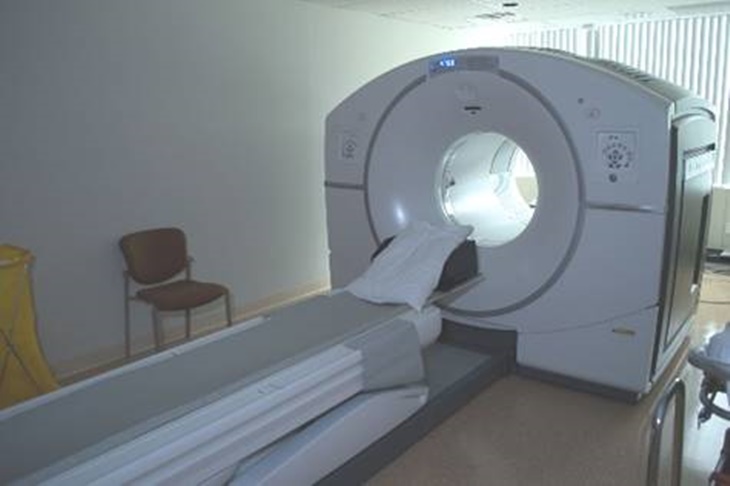
The New England Journal of Medicine recently published the results of International Early Lung Cancer Action Program (I-ELCAP) which study demonstrated that 92% of patients with Stage 1 lung cancer who were treated promptly have an estimated life exptancy increase of 10 years. Right now, only 15% of people diagnosed with lung cancer survive even 5 years. Company's screening assay protocol will be able to screen large at risk populations in a noninvasive, economic and automated way and then allocate the positive resulting patients to the more expensive and rare assets like CT scans. This makes for a very efficient two tiered screening model, CT detects tumors < 1 cm in size (whereas x-rays detect tumors 1-2 cm in size). Currently, when detected, lung cancer has already spread outside the lung (15-30% of cases). However, repeated CT scans themselves are a bit of a risk as the risk of getting radiation cancer is about 2%.

Market Opportunity

In terms of the markets, global market is estimated at $1.0 to $1.2 billion per year. U.S. market is estimated at $250 to $350 million per year. Major geographic markets for a lung diagnostic product are the U.S., Europe, and Japan, each with unique growth opportunities and challenges.

Global market is estimated at $1.0 to $1.2 billion per year
U.S. market is estimated at $250 to $350 million per year

Major geographic markets for a lung diagnostic product are the U.S., Europe, and Japan, each with unique growth opportunities and challenges.

Next Steps

Our client is seeking licensing, strategic, and development partners around the world to get these tests approved and marketed in various parts of the world.

Contact Us

Do contact us for more information on this technology and to connect with our client.

copyright | policy | home

[XHTML 1.0] [CSS]